

Launching a hospitality staffing marketplace from zero to 1,000 users
1,000+
10,000+
12 months
An idea, a network, and nothing built
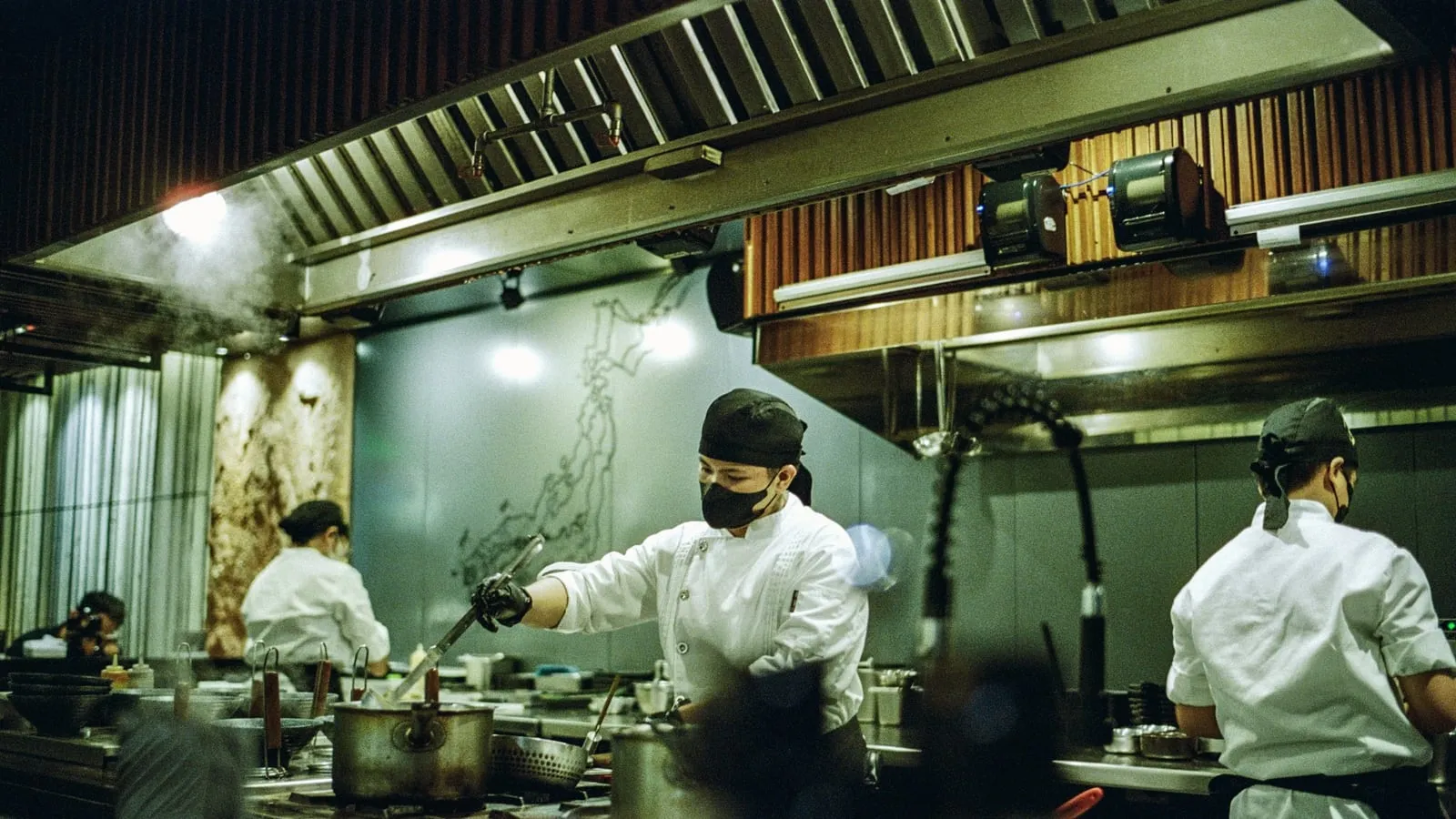
The founder knew hospitality well and had seen the same problem from both sides: venues scrambling for reliable short-term staff, and good people with no easy way to pick up shifts. The idea was a marketplace that would make that professional. The relationships were there. The product wasn’t, and neither was an operating model, a user base, or anyone in-house to run product and operations.
The ask was for us to be that person. Own the roadmap, make the calls, deliver it, rather than write a strategy for someone else to execute.
Three things made this harder than a normal build. A two-sided marketplace has to launch with both sides populated, and nobody joins an empty one. The category runs entirely on trust, because you’re asking a venue to put a stranger on the floor during Saturday service, so vetting couldn’t be a “later” feature. And the team had engineers and a designer but nobody writing specs, sequencing releases or designing what happens operationally when the software hands off to a human.
What we did
We treated the product, the operating model and the go-to-market as one problem, because in a marketplace they pull on each other. How strict the vetting is sets the operational cost. The operational cost sets the take rate. The take rate sets what you can afford to spend on acquisition. Change one and the others move.
We cut scope hard, down to the smallest set of features that would let one real shift happen end to end, and anything that could be done by hand at low volume was done by hand first. Engineering time went to the parts that couldn’t be faked.
Defining the product. Working sessions with venue managers and contractors to pull apart the two jobs, then onboarding, scheduling, vetting and payout mapped as four separate flows. We wrote the user stories and specs the engineers built against, and kept a running list of everything we’d deferred so it didn’t get lost.
The operations underneath. The contractor vetting workflow, with credential capture and availability tracking. Business-side tooling for job requests, matching and post-shift reviews. Internal admin dashboards for fraud checks, support tickets and the manual override for when matching didn’t work, which it sometimes didn’t in the early weeks.
Delivery. Sprint cycles, QA, and being the person in the middle of engineering, design and operations so that decisions got made.
Go-to-market. We positioned the brand on reliability, because that’s what this category is actually bought on, and built separate acquisition and activation flows for venues and for contractors. CRM automation handled onboarding, retention and referral tracking. The FAQ, the templated responses and the escalation workflow were all written before launch, which meant the first support tickets landed on a process instead of a person.
- Contractor vetting
- Job request
- Contractor matching
- Post-shift review
- Payout
Year one
- 1,000+ business users onboarded in the first year.
- 10,000+ hours of on-demand staffing booked through the platform.
- End-to-end workflows live for vetting, scheduling, matching and payments.
- Growth came from repeat bookings and word of mouth, with no paid acquisition behind it.
- Support load stayed flat as volume grew, on the FAQ and escalation structure written before launch.